Most first trips to Thailand orbit the same few places, and there's nothing wrong with that. But the north is where I've had my slowest, happiest travel days, and almost none of them happened on a headline sight. They happened in the gaps between them: a roadside noodle stall, a hill road with no traffic, a temple courtyard empty except for a sweeping monk.
Beyond the obvious base towns
Chiang Mai gets all the attention, and it earns it, but the region opens up the moment you're willing to spend a night somewhere smaller. Places like Pai, Mae Hong Son and the loop of villages between them run on a gentler clock. Guesthouses are family-run, breakfast is whatever's fresh, and the day tends to plan itself around the light rather than a list.
My rule now is simple: pick one small town per trip and stay two nights, not one. A single night means you're always packing. Two nights lets you wake up somewhere with no agenda, which is when the good, unrepeatable moments show up.
The valleys nobody photographs
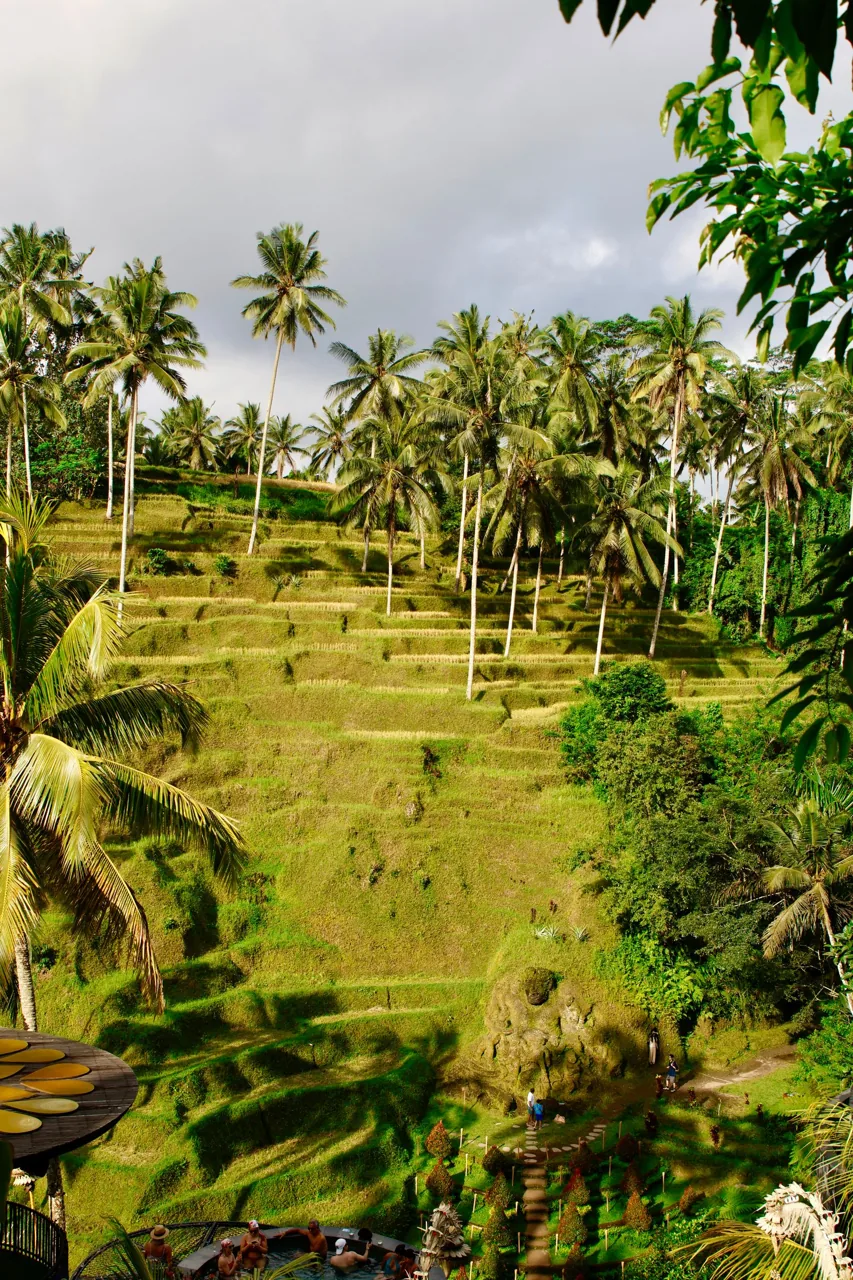
The Mae Hong Son loop is famous for its curves, but it's the side valleys that stay with me. Terraced fields catching morning mist, a bamboo bridge you cross on foot, a coffee cooperative run by a single family who roast on a wood fire. None of it makes a highlights reel, and that's exactly the point.
These are the places where you end up in conversations you didn't plan. A farmer waves you toward a viewpoint that isn't on any map; a shopkeeper insists you try the pickled tea leaves; a whole afternoon disappears because you sat down for one drink and stayed for three. That kind of unplanned generosity is the north's signature, and you only meet it when you're moving slowly enough to be interrupted.
If you drive, go slowly and stop often. If you'd rather not, songthaews and local minibuses reach further than most travellers expect. Ask your guesthouse owner where they'd take a visiting cousin, then go there. The roads reward patience, and the mountain weather rewards the flexible, so keep your plans soft enough to wait out a morning of rain or chase a sudden burst of clear sky.
Temples without the crowds
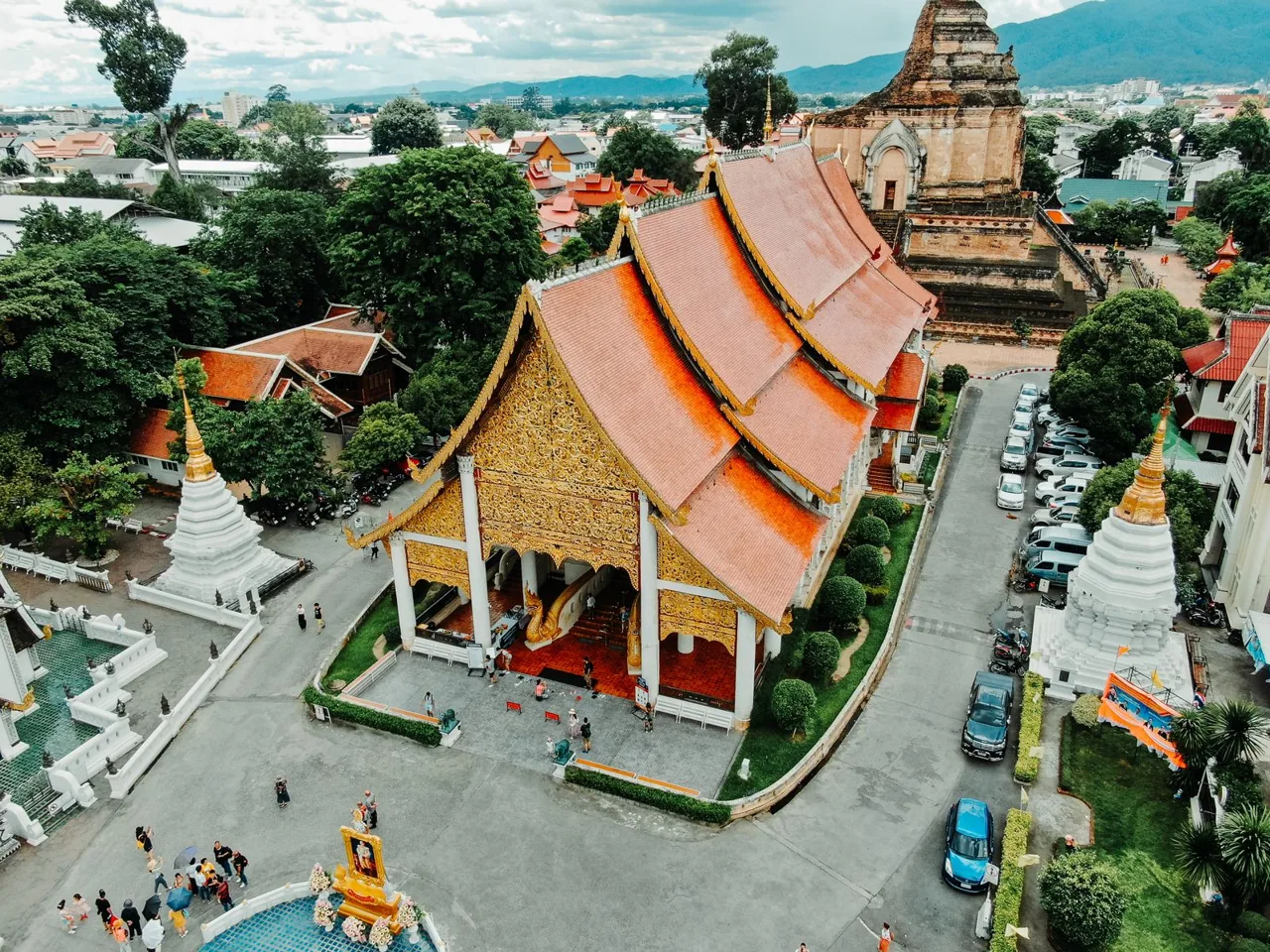
Everyone climbs the big hilltop temples, and you probably should too, early. But the north is dense with small wats that see barely a handful of outsiders a week. These are the ones where an elderly caretaker might wave you in, point at a mural, and tell you a story you only half understand. It's the kind of exchange that makes a trip feel like yours and not a brochure's.
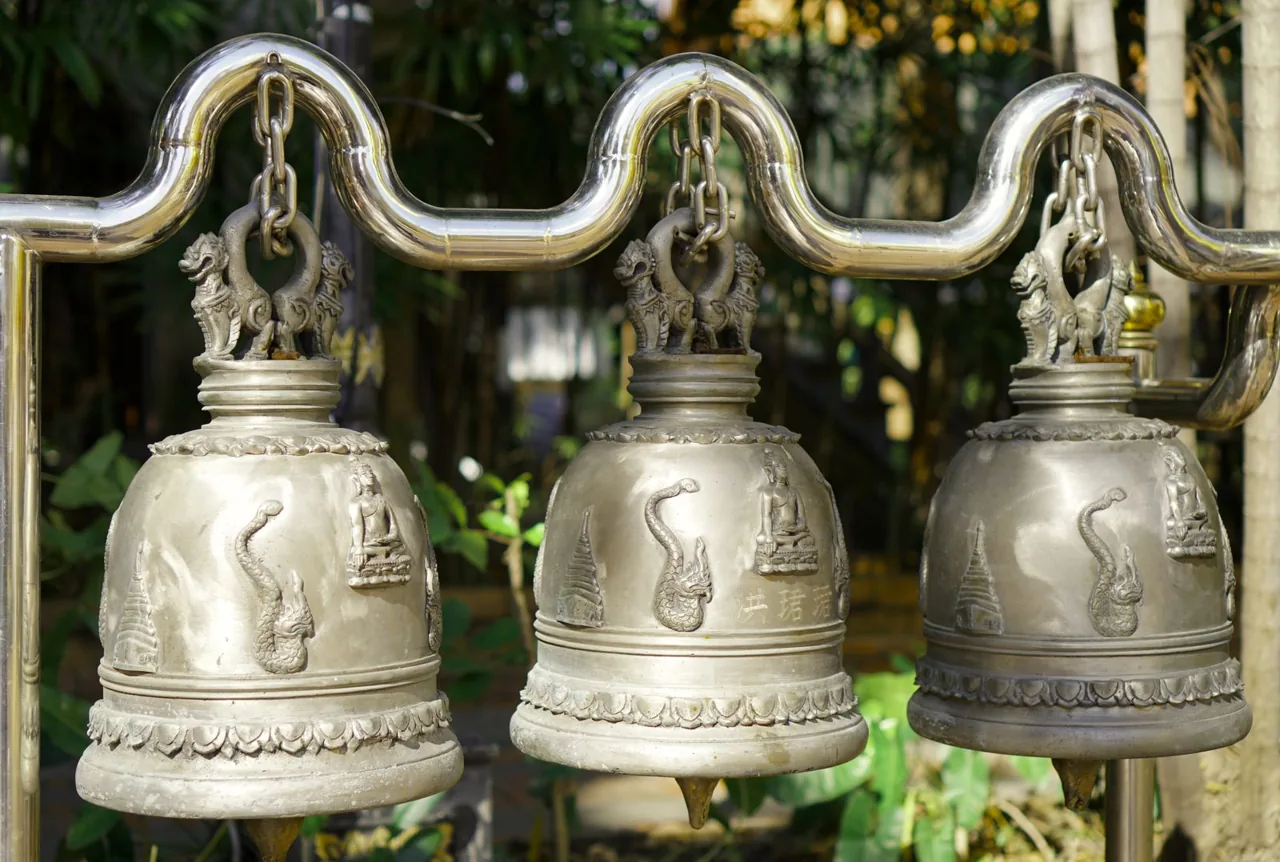
Dress modestly, take your shoes off where you should, and give these places a bit of time rather than a quick photo. Sit for ten minutes in a quiet courtyard and the whole rhythm of the town reveals itself: the bell, the incense, the caretaker's cat, the schoolchildren cutting through on their way home. It costs nothing and it's the sort of thing that turns a sightseeing stop into a memory.
How to travel it well
Give the north more time than you think it needs. A week feels rushed; ten days feels right. Carry cash, because the best places don't take cards. And build in empty afternoons on purpose. The north's real gift is permission to do very little, beautifully, and I've never once regretted taking it up on that.